The Super Bowl halftime show sparked a broader conversation this year, as reactions stretched well beyond music criticism and into cultural debate. The moment centered on Bad Bunny, whose performance placed Spanish language music and Latin identity at the heart of the most watched television event in the U.S.
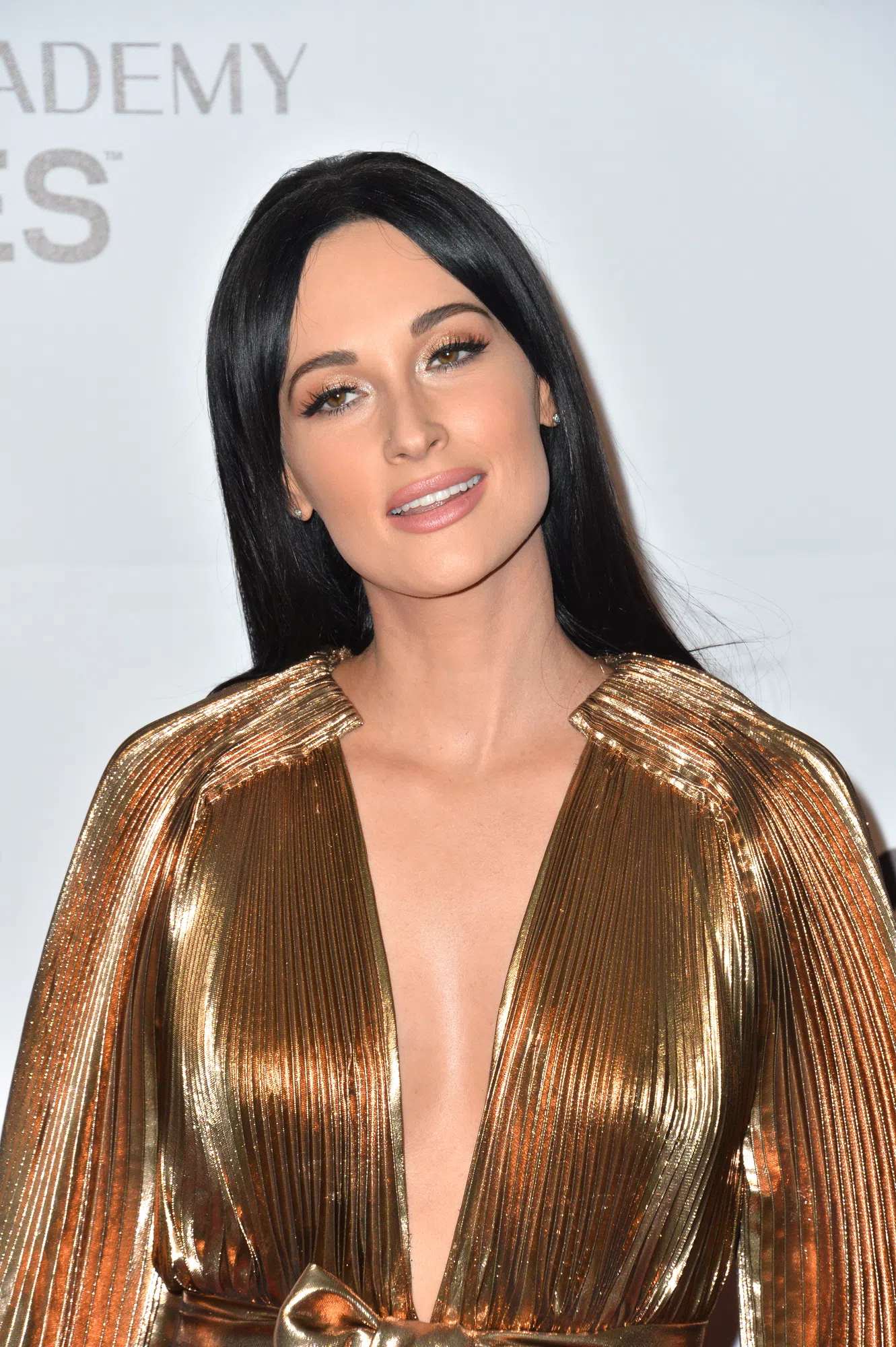
In the hours that followed, artists and public figures quickly weighed in. Musicians including Kacey Musgraves and Doechii shared supportive reactions, pointing to the significance of global representation on a stage that has historically reflected a narrow slice of pop culture. Their responses framed the show as a reflection of how mainstream music audiences are changing.
At the same time, conservative voices responded with sharp criticism. Charlie Kirk, founder of Turning Point USA, publicly objected to the performance, arguing it reflected a political direction he believes the NFL should avoid. Online personalities Jake Paul and Logan Paul also offered opposing takes, underscoring how divided the response became even within entertainment circles.
What this really shows is how the Super Bowl halftime show now functions as more than a performance. It has become a cultural marker, revealing shifting audiences, priorities, and tensions around what American pop culture looks like today.